Venice is a city shaped by skilled hands. Behind the famous canals and palaces are workshops where glass, paper, fabric, wood and leather become objects with a story. For travellers who appreciate design and originality, discovering these traditions can be more memorable than buying a conventional souvenir.
Look beyond the shop window
An attractive window is not always proof that something was made locally. If craftsmanship matters to you, ask who made the object, which technique was used and where the workshop is based. A good artisan is often happy to explain the process, although demonstrations and workshop visits may require an appointment.
Murano glass: a living tradition
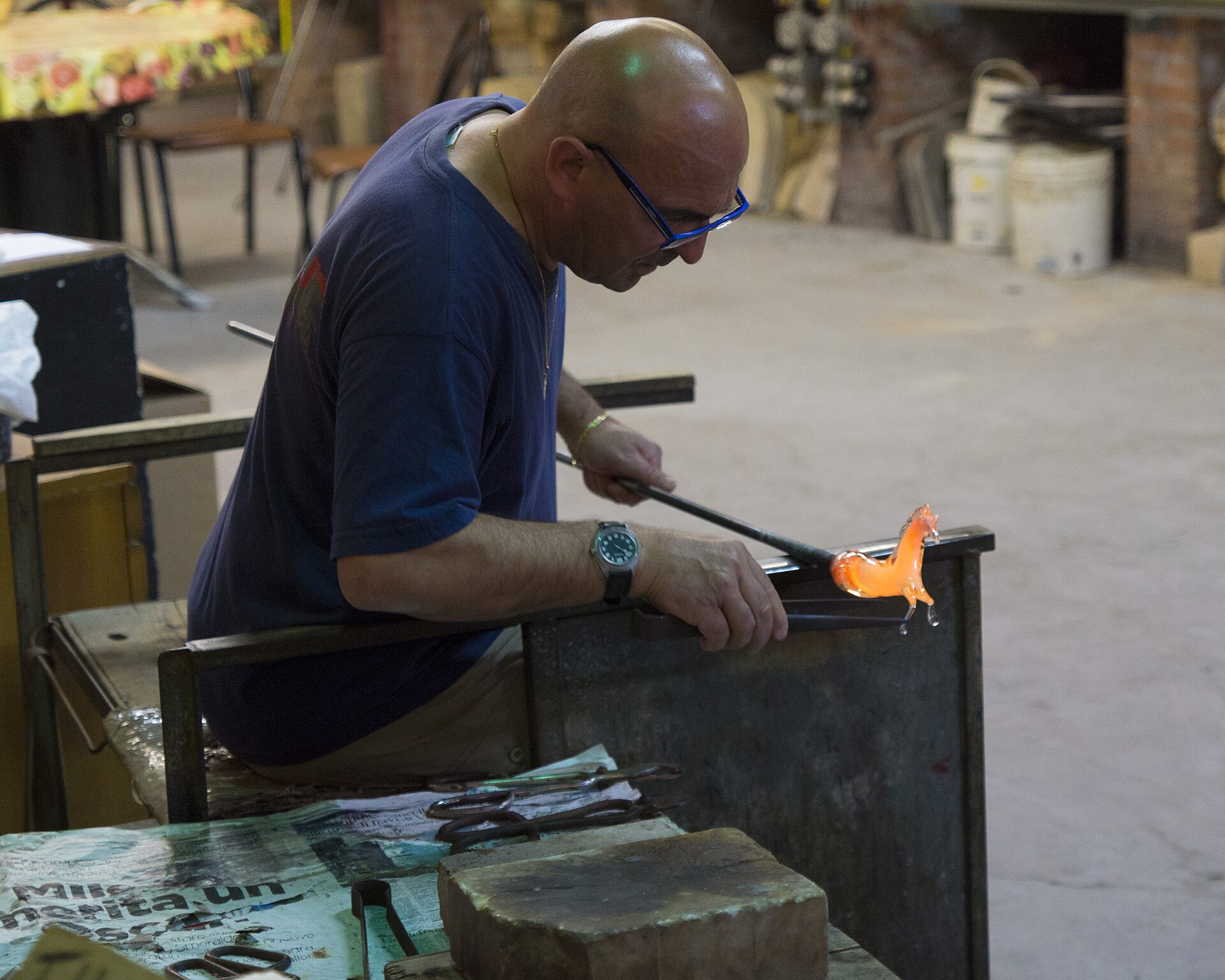
Murano is internationally associated with glassmaking, but there is more to the craft than colourful ornaments. Glassblowers shape molten material with precision, while other specialists work on engraving, mirrors, beads and contemporary glass design. When shopping, distinguish between an item inspired by Murano and one genuinely produced there.
Venetian masks and handmade paper
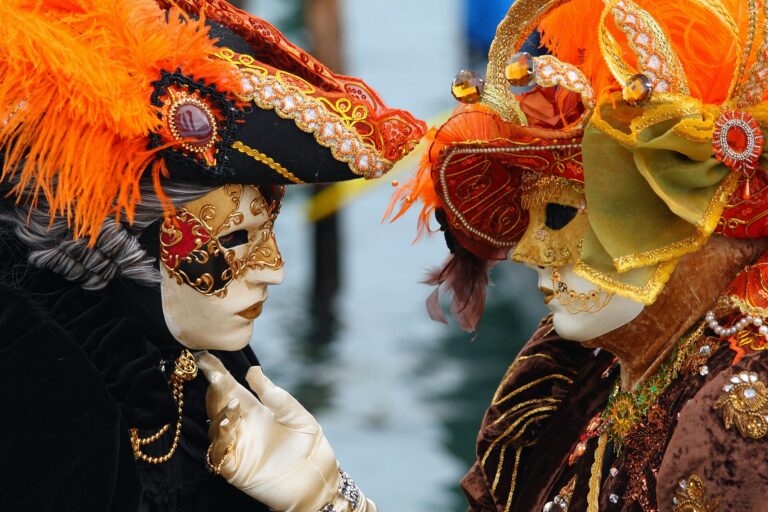
Traditional mask-making brings together modelling, decoration and theatrical imagination. Paper marbling and bookbinding recall Venice’s historic importance as a centre of printing and publishing. These crafts are particularly interesting if you enjoy objects that combine function with artistry.
Woodworking and the technology of a gondola
A gondola is much more than a romantic symbol. Venetian boatbuilding has its own specialised vocabulary and tools. The fòrcola, the sculptural wooden support for the oar, is an elegant example of how engineering and craftsmanship meet. It is also an object of contemporary design interest.
How to discover workshops respectfully
Choose a small number of studios rather than chasing as many shops as possible. Check whether visits are welcome, avoid photographing craftspeople without permission and do not expect every workshop to offer a free demonstration. Buying one meaningful piece directly from its maker can be a rewarding way to support local skills.
Cannaregio and other parts of central Venice have creative studios, while specialist traditions extend to islands such as Murano and Burano. Ask the hotel’s reception for current suggestions based on your interests — jewellery, glass, design, textiles or handmade accessories.
Quick questions
Is all glass sold in Venice made in Murano?
No. Ask about the production location and provenance rather than relying on the appearance of the object alone.
Can visitors enter Venetian artisan workshops?
Some welcome visitors or offer demonstrations, often by appointment. Always check before visiting.
Further reading:
Venezia Unica — Venetian Craft and Design.
Explore more local ideas: Venice for Couples
Image credit: Miguel Mendez / Wikimedia Commons — CC BY 2.0. Image resized for the website.